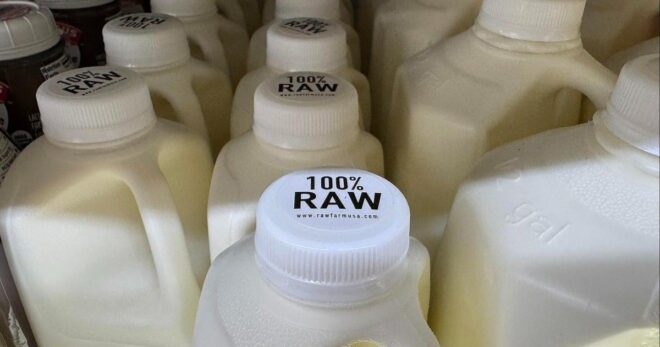
The jug said “animal feed.” Not for human consumption. Go figure. A Florida mother is suing a dairy after her toddler allegedly got sick from raw milk and she later lost her pregnancy—raising the combustible question: when the label screams ‘don’t,’ who answers for the ‘do’? According to the complaint, a natural food store allegedly waved off the warning as a “technicality” for selling “farm milk.” That’s the loophole: raw milk can be sold as “pet” product in many places, while marketing and word-of-mouth hint it’s the “pure” choice. Meanwhile, pasteurization exists for a reason: it lowers the risk of dangerous bacteria. Here’s the standoff—personal responsibility versus industry responsibility. Adults should read labels; companies shouldn’t nudge customers past them. And kids? They don’t get a vote. If a product is legally labeled “not for humans,” should stores be allowed to imply otherwise? If a buyer trusts that wink, is that deception—or a gamble gone wrong? This case could decide whether the “animal feed” fig leaf keeps covering an open secret, or whether the courtroom finally says: the warning means what it says.
She Gave Her Toddler Milk Labeled ‘Animal Feed’—Now a Lawsuit and a Tragedy. Who’s Really to Blame?!